
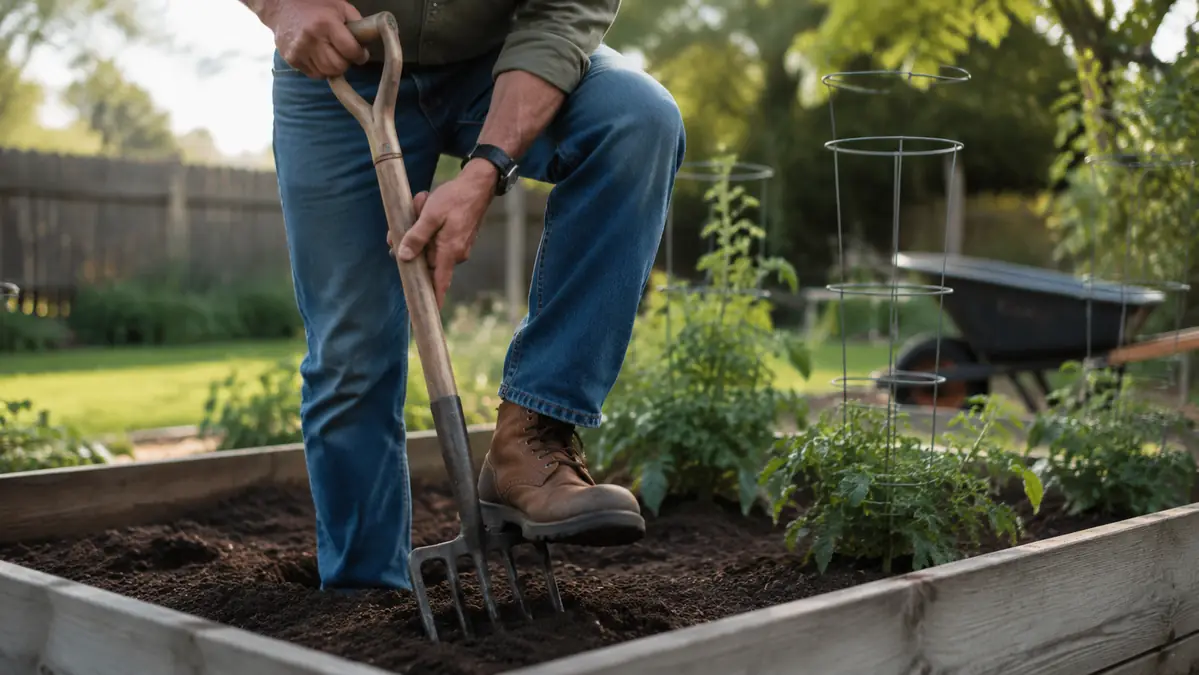
My backyard sits on the kind of clay that turns to concrete by July and to soup after a heavy rain, and for three seasons I fought it with a flat-blade shovel that mostly just skidded off the surface instead of biting in. Dividing hostas meant hacking at the root ball until it gave up. Turning the compost pile meant sweat, swearing, and a shovel that bent slightly under the weight of wet leaves. Last April I bought a Truper 30293, the 30-inch, 4-tine spading fork with the wood D-handle, mostly on a neighbor's recommendation, and it's been in my hand almost every weekend since.
This isn't a fork I used twice and photographed for a listing. It's the one leaning against my garage wall right now, with a scuffed handle and a faint rust line where the steel tines meet the socket. I want to walk through what a full season with it actually looked like, because most digging fork reviews online read like someone opened the box, jabbed it into a lawn once, and called it a day.
Before this one, I was working with a mismatched pair of hand-me-down tools, a bent border fork from a yard sale and that same flat shovel. Neither was built for clay, and both left me sore after twenty minutes. That's the baseline everything below gets measured against.
The Quick Verdict
A genuinely tough, well-balanced 4-tine spading fork that earns its keep in clay and rocky soil. The steel head hasn't bent or loosened in a full season, though the wood handle needed one round of sanding and linseed oil by August.
Amazon Check Today's Price →Tired of a Shovel That Just Skids Off Hard Clay?
The Truper 30293 spading fork was built for exactly this, four steel tines that actually bite into compacted soil instead of bouncing off it. Check today's price and current availability on Amazon before your next bed prep session.
Amazon Check Today's Price on Amazon →How I've Used It: A Full Season, Not a Weekend Test
I've got six raised beds, a perennial border along the back fence, and a three-bin compost setup, and starting the first weekend of April I used this Truper fork for pretty much every job that involved breaking or turning soil. Spring bed prep, working in aged manure before planting, dividing an overgrown clump of daylilies in May, aerating around the tomatoes in July when the clay had baked hard, and turning the compost pile roughly every ten days from May through September. By the time I stopped counting in October, I'd put it through somewhere around 30 separate sessions.
That kind of repeated use is what actually tells you whether a digging fork is worth the money. A single afternoon will tell you whether the handle feels comfortable in your hand. It won't tell you whether the tines start to wiggle in the socket after a month, whether the wood handle splinters after a summer in the sun, or whether the weld at the shoulder holds up when you're standing on it with your full body weight to break through a root mat.
Most of my sessions involved standing on the fork's shoulder to drive the tines a good six to eight inches into the bed, then rocking the handle back to lift and loosen a section before moving over a few inches and repeating. On the compost pile, it's a different motion entirely, more of a scoop and flip to get air into the center of the heap. The Truper handled both jobs without me needing a second tool, which is more than I can say for the flat shovel it replaced.
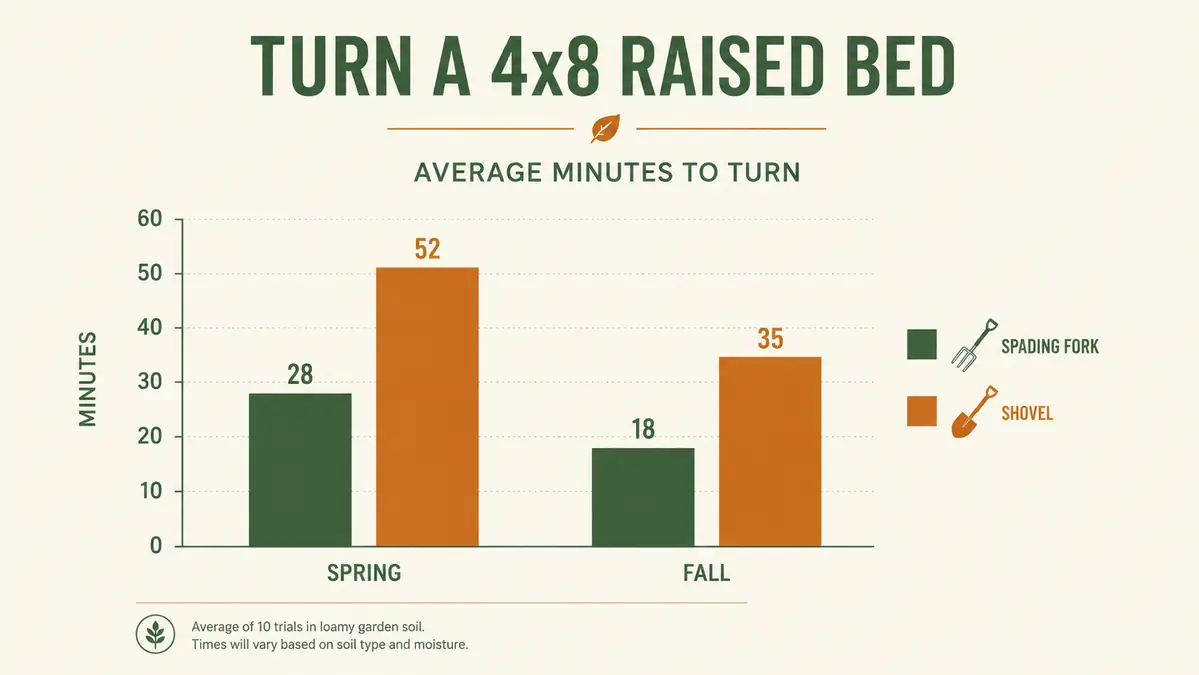
The short version is that this fork held up better than I expected for a tool in this price range, and it made jobs that used to take me an hour of frustrated shovel work take fifteen or twenty minutes instead.
The Steel Tines: Why They Bite Into Clay Where a Shovel Doesn't
I didn't think much about tine shape when I bought this, I just wanted something sturdier than a border fork. But after the first real session in my clay bed, the difference was obvious. The four tines are square in cross-section rather than flat, and that squared profile concentrates the force from your foot into a much smaller contact area than a flat spade blade does. In practice that means it punches through compacted clay that a shovel would just glance off of.
The tines are also spaced a little wider than the border forks I'd used before, which turned out to matter more than I expected once the compost pile got involved. Wider spacing lets more air and material pass through the tines on a lift, so I'm not dragging a solid slab of wet leaves and kitchen scraps, I'm actually turning and aerating the pile the way a compost fork is supposed to. Truper markets this as a spading fork rather than a compost fork specifically, but after a full season using it for both jobs, I don't think I need a second tool for the compost bins.
Rust management is the one bit of upkeep that's on me, not the tool. I wipe the tines down with an oiled rag after any session where I've been working wet soil, and I keep a bucket of coarse sand with a little motor oil mixed in near the garage door to plunge the head into before I put it away. That five-second habit is the reason the steel still looks close to new after a season of clay, compost, and one memorable afternoon of prying out a stubborn rock.
It's a small routine, but it's the difference between tines that still hold an edge in October and tines that pit and dull by midsummer.
The Wood D-Handle: Comfortable, But It Needs Some Care
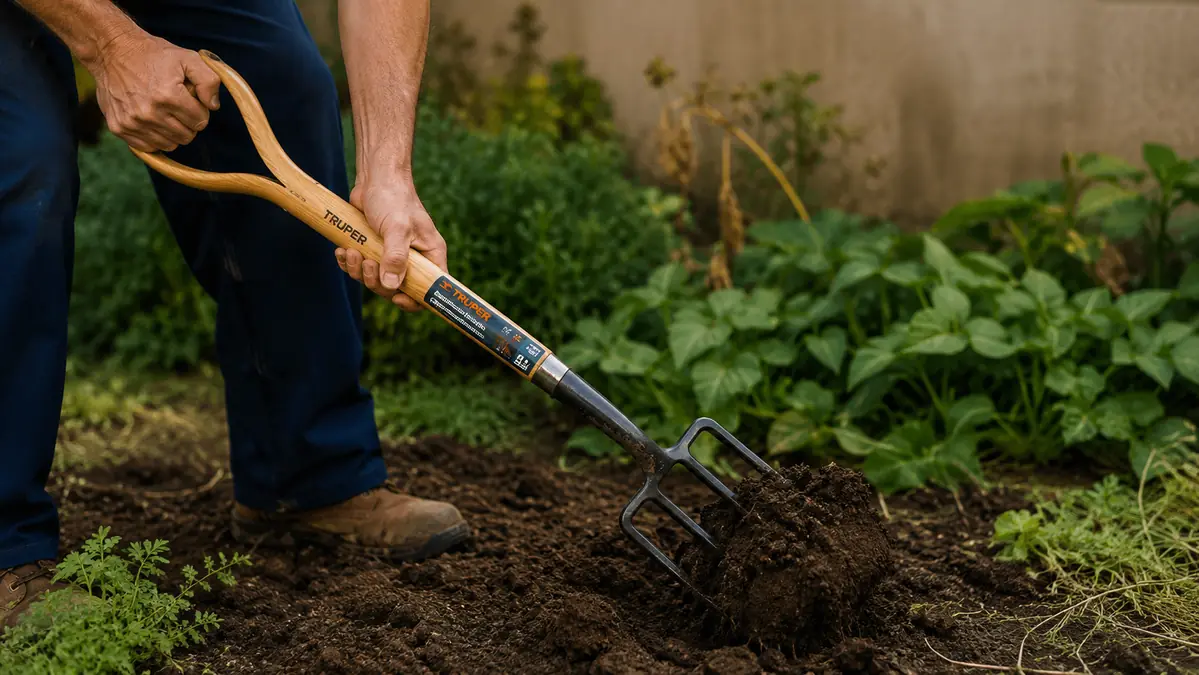
The D-handle grip is the part I was most skeptical about going in. I've broken a fiberglass handle before on a cheap fork, and I've also used all-steel handles that transmitted every bit of shock from hitting a buried rock straight into my palms. Wood sits in between, and after a season with the Truper, I'm genuinely fond of it.
The D shape gives you a solid grip for the rocking motion you need when you're loosening compacted soil, and it's wide enough that I can use it comfortably with work gloves on, which matters more than it sounds like once you're an hour into bed prep in April. I'm 5'8", and the 30-inch overall length puts the handle at a height where I'm not hunching over, even for extended sessions along the perennial border.
The maintenance side is real, though, and I'd be lying if I said otherwise. By August the handle had picked up some surface roughness from being left in the sun and rain a few too many times when I got lazy about putting tools away. I sanded it lightly with 150-grit, wiped it down, and worked in a couple coats of boiled linseed oil over a weekend. It took about twenty minutes total and the handle's been smooth and sealed since. Truper doesn't ship it pre-sealed the way some pricier forks do, so budget that half hour into year one if you want the wood to last.
The socket where the handle meets the steel head is riveted, not just friction fit, and after 30 sessions of standing on it and rocking under load, there's no play or wobble at that joint. That's the spot that fails first on cheap forks, and it's held solid on this one.
What Held Up After 30 Sessions, and What Didn't
The steel head shows no bending, no loosening at the tines, and no cracking at the shoulder where I stand to drive it into hard clay. That shoulder is the spot I worried about most before buying, since it's exactly where a cheaper fork tends to flex or bow under repeated foot pressure, and this one hasn't budged.
The tines themselves have a bit of surface patina now despite my oiling routine, mostly on the parts I don't reach as thoroughly when I wipe them down, but there's no pitting and no loss of sharpness at the points. They still slide into damp soil with the same ease they did back in April.
What didn't hold up without attention was the handle finish, as I mentioned above, and I'll also say the rivets show a faint ring of rust where they meet the wood. It's cosmetic so far, not structural, but I'm keeping an eye on it going into a second season. Neither issue affected how the fork actually performs in the ground.
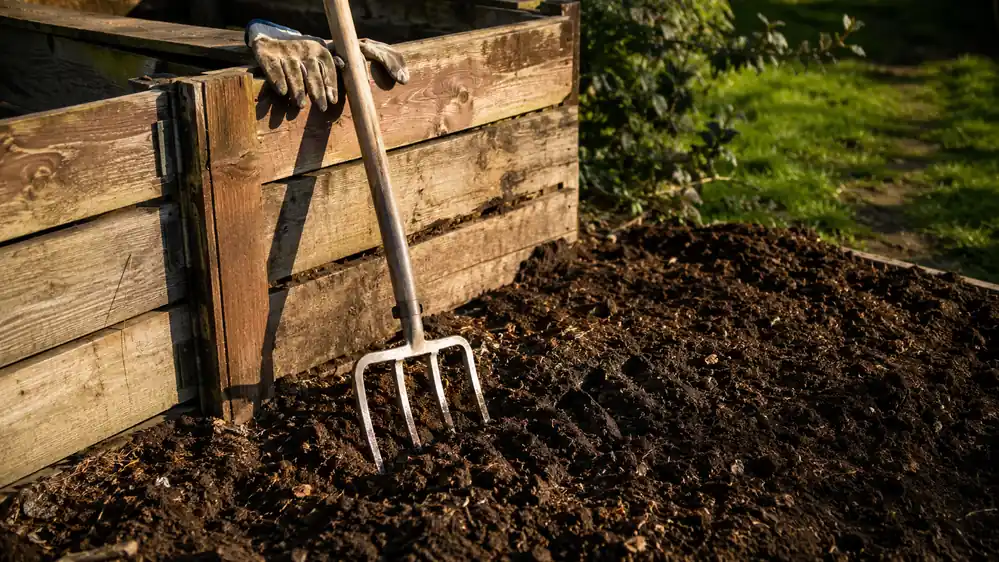
Before putting it away for winter, I hosed off the head, dried it, gave the tines a fresh coat of oil, and hung the fork on a wall hook rather than leaving it leaned against the garage floor where moisture collects. That's basic tool care more than anything the Truper specifically demands, but a fork in this price range is worth the extra five minutes.
For a tool that spent a full season getting stood on, twisted, and dragged through clay and compost, the list of things that went wrong with this Truper is short enough that I'd buy the same model again without hesitation.
Alternatives I Considered Before Buying
Before settling on this one, I looked at a couple of all-steel forged forks in a similar price range. They're essentially indestructible and skip the wood maintenance question entirely, but they're also noticeably heavier, close to two pounds more by my kitchen scale, and after twenty minutes of repeated lifting that adds up in a way that matters if you've got more than one bed to work through.
I also considered a lighter fiberglass-handled model marketed more for potted plants and small container gardening. It would have been fine for light work, but I ruled it out fast once I thought about the clay and the compost bins. Fiberglass handles I've owned before tend to develop stress cracks near the socket when you're using them for the kind of leverage that breaking up clay requires, and I didn't want to find that out the hard way in the middle of a bed prep weekend.
A tiller crossed my mind too, since it turns soil faster with less physical effort. I ruled it out once I actually thought about my raised beds and the tight rows along the fence line. A tiller makes sense for a large, open plot you're breaking ground on for the first time. In beds this size, with perennials I don't want to chop through and a compost bin that needs turning rather than tilling, a fork does a job a tiller simply can't.
What I Liked
- Squared steel tines punch through compacted clay that a flat shovel just glances off of
- Riveted socket has zero play after 30 sessions of standing on it under load
- Wide tine spacing works surprisingly well for turning and aerating compost, not just digging
- Wood D-handle is comfortable through long sessions and doesn't transmit shock the way a steel handle can
- 30-inch length keeps me from hunching over during extended bed prep
Where It Falls Short
- Handle isn't pre-sealed, plan on a sanding and oiling session within the first season
- Tines pick up surface patina despite regular oiling, mostly cosmetic but worth watching
- At about 4.5 pounds it's heavier than a border fork, which shows up on longer sessions
- Rivets show a faint rust ring where they meet the wood after one season outdoors
The squared tines are the one thing I didn't think I'd notice, and now they're the reason I can't go back to a flat shovel for anything involving my clay beds.
Who This Is For
This fork makes the most sense if you're dealing with compacted, clay-heavy, or rocky soil, or if you're regularly turning compost rather than a once-a-year toss with a shovel. If you're dividing perennials, working in amendments before planting, or breaking new ground on a raised bed more than a handful of times a season, the Truper's steel head and comfortable D-handle pay for themselves in less time spent fighting the dirt. It's also a solid pick if, like me, you're done with a shovel that skids across the surface instead of actually biting in.
Who Should Skip It
If your soil is already loose and sandy, or you're mostly working in small containers and window boxes, a lighter hand fork or trowel will do the job with less weight to carry around. And if you're not willing to put in the twenty minutes of handle maintenance a wood-handled tool asks for, a fiberglass or all-steel alternative might suit you better, even though you'll trade off some comfort and some weight for that low-maintenance convenience. There's no version of this fork that skips the basic upkeep wood handles need.
Ready to Actually Break Through Clay Instead of Fighting It?
The Truper 30293 4-tine spading fork is available today on Amazon. Check current pricing and availability before your next round of bed prep.
Amazon Check Today's Price on Amazon →